Common Ground 2026 will be guided by the Creative Health Quality Principles, to build a gathering that is person-centred, equitable, safe, creative, collaborative, realistic, reflective and sustainable.
Support and Belonging
CHWA follows the social model of disability. We understand that access is a deeply personal and ever evolving area of learning. We understand, too, that some people may not immediately identify as having needs that relate to an access requirement, and we have taken measures so that they might feel more comfortable, supported or at ease throughout the conference. Examples of this include:
- Advance information and pictures of venues to help you plan and navigate
- A walking video to the venue for those arriving via public transport
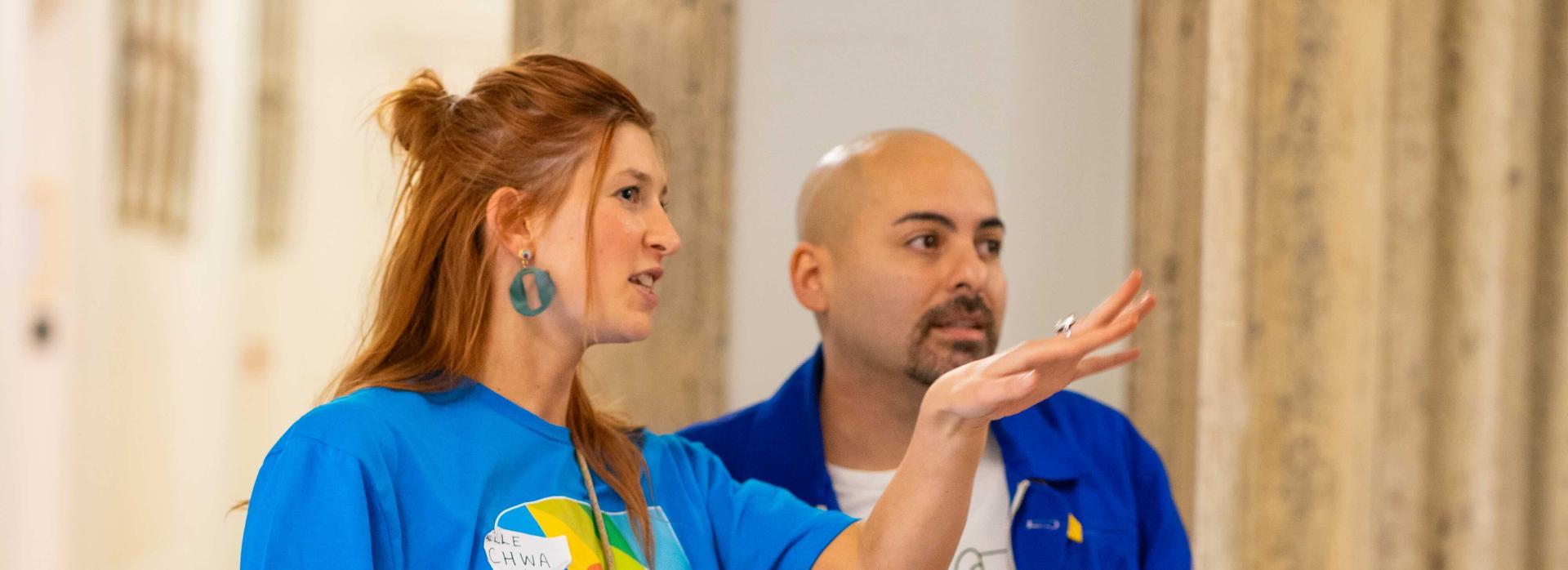
- Trained volunteers and staff with bright t-shirts with the CHWA logo, stationed at Barnsley station and around the venue and delivery spaces throughout the conference
- Provision of safe and designated quiet spaces, and mental health first aider support
- Clear signposting of gender-neutral toilets and accessible toilets
- Pictures and biogs of staff, plus any specialist skills they might have (e.g. Mental Health First Aiders)
- The ability to request being seated in a certain place, eg. near an exit, or a bathroom
- The ability to request help or adjustments with meal and refreshment breaks
- Providing priority seating areas and minimising standing and waiting time during breaks and meals
- Providing freedom within and outside the programme to rest and/or explore
- A clear code of conduct shared in advance of and during the conference
Our Access Offer for 2026 includes:
- Free companion tickets to those unable to attend independently, and support for carers wherever possible
- Affordably priced tickets for freelancers and small organisations
- Working with partners to secure 13 bursaries to support freelance/ unsalaried people
- An expanded digital ticket that includes live-streaming of opening talks, performances and panels, and Zoom spaces that allow attendees to take part remotely
- Captioning for all key panels and filmed/ live-streamed activities
- Hearing induction loop in main theatre
- Making plenary recordings available after the event
- Offering opportunities for attendees to share their specific access needs with us in advance
- A continued commitment to curating panels and breakouts that are representative
- Conference staffed with approachable, friendly people with specialist skills and knowledge, including Mental Health First Aiders
- Creating quiet and safe spaces aside from the main conference activities
- Information sharing - providing as much information up front as possible about venues and the programme
- Considering timings and scheduling of the conference - for information processing, energy levels and for people being able to access around caring responsibilities
- Physical signage - ensuring the event has visually strong way-finding
- Ensuring the venue is part of the Breastfeeding Welcome Here Scheme.
- BSL for conference call outs and for some in-person sessions, on request and within budgetary limits
Further Access information and links
The sole venue for the conference is Barnsley Civic; also see their Visit Us and Access page. Please note: their entrance has changed since 2023, and is now on Eldon Street. Our Visual Story inlcudes a video of the journey from the station to the Civic, and photos of the venue spaces and signage for accessible and gender neutral toilets.
You may like to visit other venues across Barnsley. Click on the names for the AccessAble or access information.
- The Parkway Cinema
- Library @ The Lightbox
- Experience Barnsley @ Town Hall
- Barnsley Town Hall
- Cooper Art Gallery
Most of these are also part of the Barnsley Safe Places Scheme (part of the Safe Places National Network).
If you have any ideas of how we can improve accessibility or what we need to be thinking about, please write to us at [email protected].
Mental Health Support
If you or someone else is in danger, call 999 or go to A&E now. If you need urgent help for your mental health, get help from NHS 111 online or call 111.
- Mind. Mind has a specific collection of resources focused on racism and mental health.
- Samaritans. To talk about anything that is upsetting you, you can contact Samaritans 24 hours a day, 365 days a year. You can call 116 123 (free from any phone), email [email protected] or visit some branches in person. You can also call the Samaritans Welsh Language Line on 0808 164 0123 (7pm–11pm every day).
- SANEline. If you're experiencing a mental health problem or supporting someone else, you can call the national out-of-hours support service SANEline on 0300 304 7000 (4.30pm–10.30pm every day).
- National Suicide Prevention Helpline UK. Offers a supportive listening service to anyone with thoughts of suicide. You can call the National Suicide Prevention Helpline UK on 0800 587 0800 or 0800 689 5652.
- National Autistic Society offer an Urgent Help service: https://www.autism.org.uk/contact-us/urgent-help