What have you been doing today?
I have had some Microsoft teams meeting today with various Historic England colleagues to review our work programme and also with my team to update each other on progress; I met with a Partnerships lead for a social prescribing organisation to identify how we will collaborate going forward and drafted a proposal; I reviewed a grants proposal and tried to catch up with some emails. I also started reading a government document (the National Planning Policy Framework) which is out for consultation so I can contribute to our corporate response and ensure heritage and wellbeing are represented.
Is that a typical day for you?
That’s a fairly typical day – but I also spend time drafting strategies and briefings, and writing documents that pull together evidence so it can influence our policy work and spend a lot of time on calls or in meetings with people in the heritage sector working on building our knowledge of how heritage works for people and how we can try and expand that to be more prolific. Sometimes I commission projects to carry out new research or small pilot projects that are testing proof of concepts. It probably doesn’t sound that exciting but the material is all so fascinating that I really enjoy it.
When did you start working with culture, health and wellbeing, and how?
I started working full time in this area 8 years ago when my current post as Head of Wellbeing and Heritage was created, but the journey to that point began earlier. I had been involved in a foresight unit which produced documents about social trends and policy issues we should be looking at more closely and that led to a 2018 report on the historic environment and wellbeing. I had worked before in roles that carried out research into the historic environment and developed research strategies based on identifying the gaps in our evidence base. At this time I spent a lot of time and effort getting research carried out on a wide range of faith buildings which were outside the National Church – this ranged from mosques to quaker meeting houses, Jewish burial grounds to Buddhist temples and more. Through this work I got more interested in how communities valued and felt about their historic environment and how heritage could make a difference to people’s lives.
What was the last project you came across that inspired you?
I have been truly inspired by some of the work my small team have managed over recent years but so that this isn’t all about my own work I think I would choose an archaeology project called Rendlesham Revealed that has worked with people with personality disorders. Archaeology is a magical process of discovery with huge opportunities for team working, creative practice and largely outdoor physical activity and has been shown to support wellbeing in a myriad of ways. Projects like Rendlesham Revealed and our own Rejuvenate project, which focused on young people’s wellbeing, are truly inspirational. I loved the Rendlesham project because it was a large scale archaeological dig with real research aims and provided access for lots of communities to the archaeological work – the work with communities was a key part of the research enterprise so it provided really authentic experiences with meaning making and purpose, but especially because the lives of some individuals with personality disorders were turned around by their experience. This sort of project shows the way that non-clinical interventions can create more powerful outcomes than bio-medical approaches in some cases.
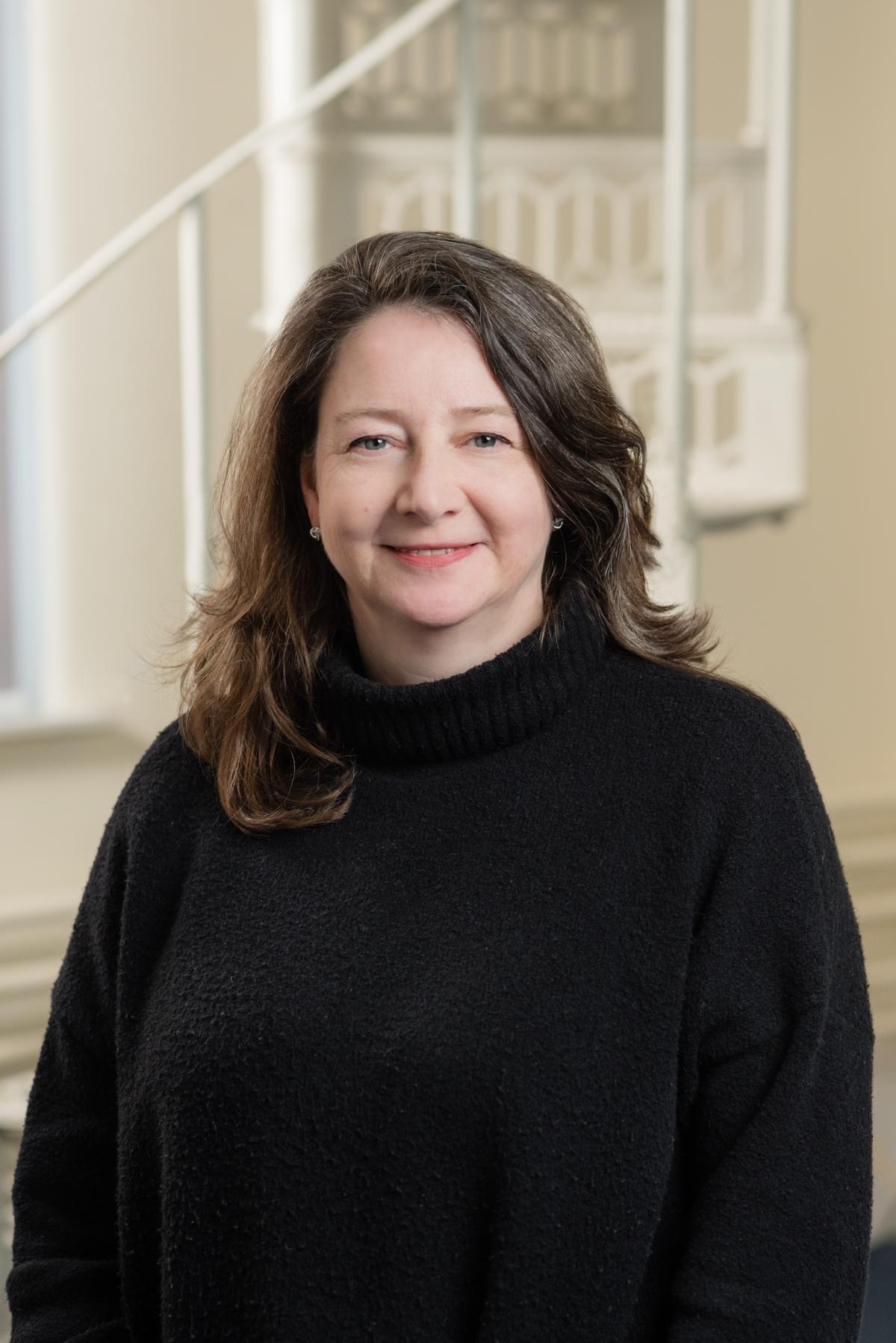
About Linda:
I am Head of Wellbeing and Heritage at Historic England and work on the relationship between societal issues and the historic environment. I developed, and lead the team delivering, Historic England’s Wellbeing and Heritage Strategy. Previously I led Historic England’s research programme for places of worship and worked as a senior architectural investigator. I used to work for the Church of England helping to administer the listed building system for Church of England Cathedrals. My PhD was on medieval church buildings in the south-west of England but I have also studied architectural history and conservation more broadly and have published widely on medieval buildings, wellbeing and heritage, conservation law and practice, church closure and on a range of faith buildings. I was Hon. Director of the British Archaeological Association from 2008 to 2016 and am a Fellow of the Society of Antiquaries. Currently I volunteer for a national archaeological association, a county church trust and a local educational charity. I enjoy taking photographs and visiting exhibitions and historic places of all kinds. I adore my family (and my family dog) but agree with Maya Angelou that family isn’t always defined by, or limited to, blood ties.